

Why do some books become classics? Two book buffs join us to explore why certain novels stand the test of time.
What makes a book a classic? Is it blockbuster sales? Effusive, effulgent reviews from book critics? Is it something we all read in school? Is it simply a book that survives the publishing industry’s out-of-print paper shredders? With debate about the literary canon fiercer than ever, the definition of “classic literature” seems ever more elusive.
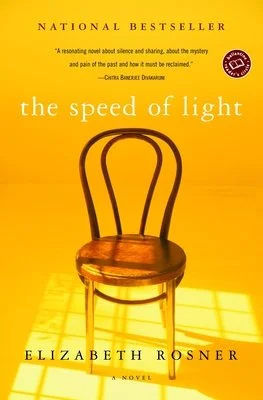
Elizabeth Rosner’s luminous debut novel, The Speed of Light, is celebrating its 25th anniversary this year. Sparked by a wish to celebrate the book’s longevity, Elizabeth is joined in lively conversation with veteran critic John McMurtrie (formerly of the San Francisco Chronicle) about what makes certain novels resonate with readers over time.
About the Speakers

John McMurtrie is the nonfiction editor of Kirkus Reviews. He served as the books editor of the San Francisco Chronicle for a decade. Most recently, he was senior editor of the literary journal Zyzzyva and an editor for McSweeney’s Publishing. His writing has appeared in The New York Times, the Los Angeles Times, and Literary Hub.
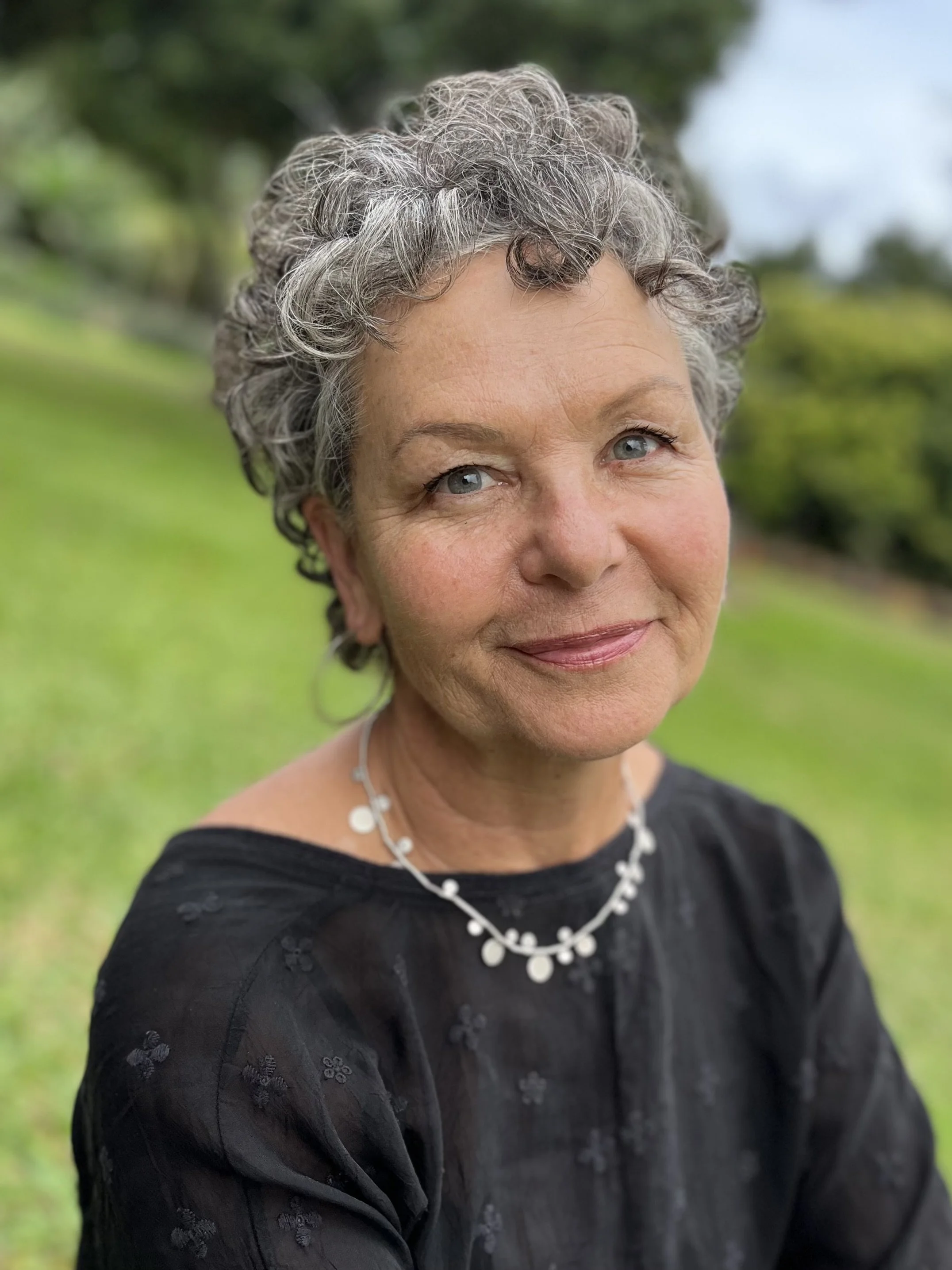
Elizabeth Rosner is an author whose work focuses on the redemptive power of storytelling and deep listening. Her six books of nonfiction, fiction, and poetry have been translated into twelve languages and have received literary prizes in the US and abroad. Third Ear: Reflections on the Art and Science of Listening, her most recent book, blends personal stories of growing up in a multilingual household with multidisciplinary research about sound and silence in the natural world. Survivor Cafe: The Legacy of Trauma and the Labyrinth of Memory, was a finalist for a National Jewish Book Award. Her bestselling first novel, The Speed of Light, is celebrating its 25th anniversary this year; among several honors, it won Hadassah Magazine’s Ribalow Prize, judged by Elie Wiesel. Based in Northern California, Elizabeth leads writing workshops internationally; her teaching carries forward a message of perseverance and tenacious optimism.
ACCESSIBILITY: We never want cost to be a barrier to admission for our community. Please email events [at] keplers [dot] org if you would like to attend this event but cannot afford a ticket. To request an accommodation under the Americans with Disabilities Act (ADA) for this event, please email events [at] keplers [dot] org at least one week prior to the event.
REFUND POLICY: We will refund your ticket up to 7 days before the event.
We want Kepler’s to be a welcoming and comfortable space for everyone. If you are feeling unwell, especially with respiratory symptoms, please stay home. Thank you for helping us create a safe and considerate environment for our community.